

Key Takeaways
Dental fear is common, and a thoughtful appointment can feel much more manageable when your care team understands what you need.
- Tell the dental team about your anxiety before treatment begins.
- Ask questions about what will happen and agree on a stop signal.
- A first visit may focus on conversation, examination, and planning.
- Simple preparation can make your visit to a nervous-patient-friendly clinic feel calmer.
- Severe fear deserves compassionate support and a discussion about appropriate options.
Understanding Dental Anxiety
Dental anxiety can make an ordinary appointment feel physically and emotionally overwhelming. Some people feel uneasy only before a cleaning, while others avoid care for years because the fear feels impossible to control. If you’re nervous about an upcoming dental appointment, that reaction doesn’t mean you’re difficult or unreasonable. It means your concerns deserve to be heard.
What is Dental Anxiety?
Dental anxiety is a strong feeling of worry, tension, or fear connected with dental care. It can show up as a racing heart, nausea, muscle tension, trouble sleeping, or a strong urge to cancel. Sometimes the anxiety is tied to a previous painful or embarrassing experience; sometimes it comes from not knowing what will happen. Naming the feeling is a useful first step because it gives you and the dental team something specific to work with.
Common Triggers – Why People Feel Nervous About Going to the Dentist
Triggers vary from person to person. The sound of instruments, the sensation of being unable to speak, needles, gagging, sensitive teeth, or fear of being judged can all contribute. Even a long gap between appointments may create embarrassment, especially when someone worries that their oral health will be criticized. A sense of control matters: knowing that you can ask for an explanation, pause, or break often changes how the appointment feels.
What Should You Tell Your Dentist About Your Anxiety?
You do not need to explain your entire history perfectly. A short, honest statement such as “I feel very anxious about dental treatment” gives the team a chance to adjust the pace and communication. Tell them what has been difficult in the past, whether you have trouble with needles or sounds, and what helps you feel safer.

It is also helpful to share practical details. Mention whether you have postponed care because of fear, whether you have had a panic response in a dental chair, and whether you take medication or have medical conditions that may affect treatment. You can ask for a step-by-step explanation, request a pause signal, or arrange for the first appointment to focus mainly on an assessment and conversation.
Before booking, you can also review a simple appointment preparation guide for reminders about arrival time, paperwork, oral-health concerns, and discussing anxiety in advance. The goal is not to be calm. The goal is to give the team useful information so the visit can be planned around your needs.
Your First Visit to Trillium Dental Orléans
A first appointment does not have to feel like a test that you must pass. It is an opportunity to meet the team, explain your concerns, and understand what care may be appropriate. At Trillium Dental Orléans, a nervous patient can begin by describing their comfort level before any treatment is discussed in detail – our team, including hygienists like Kelsey and dentists such as Dr. Yamisleidis Aguilar, is used to starting there.
What to Expect During Your Initial Consultation
The initial consultation may include questions about your dental history, current concerns, general health, and previous experiences. The dentist may examine your mouth and recommend diagnostic steps, but you can ask what each step involves before agreeing to it. You should leave with a clearer sense of the findings, possible next steps, and which questions still need to be answered.
How Our Team Makes Treatment More Comfortable
Comfort begins before an instrument is used. A calm visit is built through listening, clear explanations, reasonable pacing, and attention to the patient’s responses. When expectations are discussed openly, the appointment can feel less like something happening to you and more like something you are managing together.
A patient-centered conversation should include room for questions. You can ask what a procedure is for, how long a step may take, what you might feel, and when you can rest. If you are comparing options, dental sedation information can help you prepare questions about approaches for mild, moderate, or extreme anxiety.
Patients regularly tell us this approach makes the difference. Our hygienist Kelsey is known for staying patient and gentle even with patients who feel especially on edge, and Dr. Yamisleidis Aguilar is frequently described as calm, thorough, and reassuring from the first freezing to the last step of a procedure.
Trillium Dental Orléans provides comprehensive dental care for patients from children to seniors at its Orléans dental clinic on Mer Bleue Road, according to its location information. The same source describes clear communication, plain-language explanations, and coverage verification when applicable. Those practical details can make arranging care feel more straightforward, especially when administrative uncertainty adds to your stress.
What Nervous Patients Can Expect During a Dental Cleaning
A dental cleaning is usually a series of small steps rather than one long, mysterious event. The hygienist may discuss your current concerns, look at your teeth and gums, and use instruments to remove buildup. You can ask for a pause at any point, particularly if your jaw, neck, or shoulders become tense.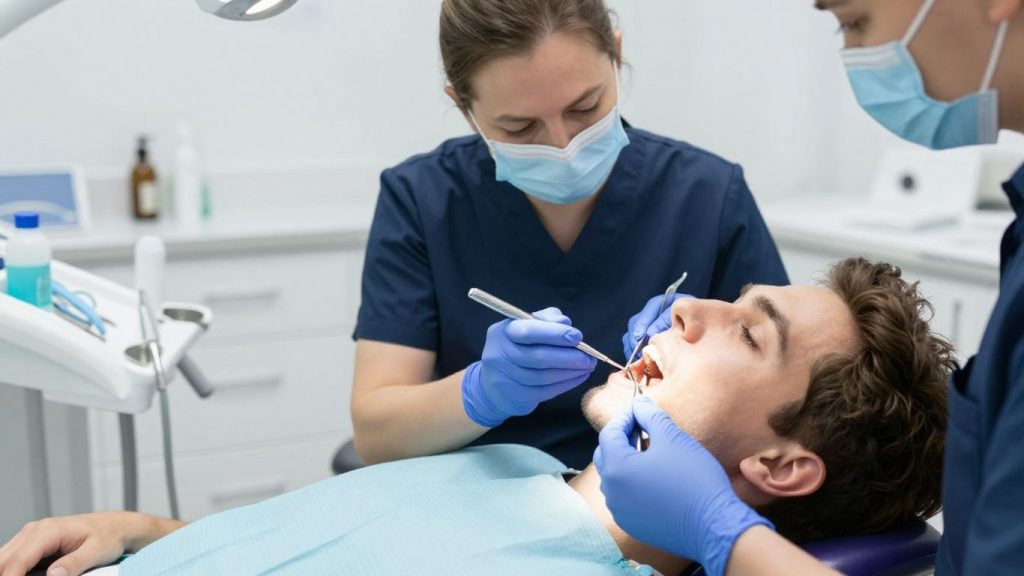
Some sensations may feel unfamiliar, including vibration, water, pressure, or brief sensitivity. They are not necessarily signs that something is wrong, but you should mention discomfort instead of trying to endure it silently. Agreeing on a hand signal before starting can make communication easier when your mouth is occupied.
If you’re planning a calming dental visit, you can feel more prepared by asking how long the cleaning may and whether the hygienist can explain each stage. A little music, slow breathing, or a planned break may help settle your attention. Afterward, ask what the hygienist noticed and what at-home steps would be most useful before the next visit.
Strategies to Ease Your Fears Before and During Your Appointment
Dental anxiety tips work best when they are realistic rather than demanding. You do not need to promise yourself that you will feel completely relaxed; aim instead to make the next few minutes manageable. Preparation, honest communication, and a little control can lower the pressure around the appointment.
Communication is Key: Talk to Your Dentist
Tell the office about your anxiety when you book, and repeat the concern when you arrive if needed. Ask who you should speak with if you become overwhelmed and agree on how you will signal for a pause. Writing down your questions can help when nerves make it difficult to remember them.
A short plan may be easier to follow than a long list of promises:
- Arrive with enough time to settle in rather than rushing through the door.
- Bring a written note describing your triggers and preferred communication style.
- Use a prearranged hand signal whenever you need the team to stop or check in.
- Take slow breaths and relax your shoulders during brief pauses.
These steps do not remove every anxious feeling, but they give you practical choices during the visit. You can also read general dental anxiety tips for ideas about identifying triggers and choosing communication that feels comfortable.
What If You Are Extremely Anxious About Dental Treatment?
Severe anxiety can make phone calls, forms, and even opening a dental reminder feel daunting. Avoiding care may feel like relief in the moment, but it can leave concerns unaddressed and make the next appointment seem even larger. You do not have to begin with extensive treatment; asking for a consultation about your fear is a reasonable starting point.
Tell the dental team how intense the reaction is and what happens when you try to attend. Depending on your health history and the planned care, a dentist may discuss ways to support relaxation, including sedation dentistry Orleans. This is also worth raising if fear has caused you to put off procedures like tooth extractions. Any sedation option should be reviewed carefully, with attention to your medical history, instructions, consent, and the arrangements needed before and after treatment.
If you’re searching for a dentist experienced with anxious patients, look for a practice where questions are welcomed and your boundaries are respected -this is a recurring theme in how our own patients describe their visits, from a senior patient who called a recent appointment the calmest dental visit of his life, to parents who’ve watched their children go from fearful to comfortable after just one appointment. It may help to bring a support person to the conversation, ask for written information, or schedule a shorter first visit. Progress can be gradual; a consultation, examination, or agreed plan can each count as meaningful progress.
How to Prepare for Your Next Dental Appointment if You Feel Anxious
Preparation can reduce the number of decisions you have to make while you are already tense. Confirm the time, plan your route, and give yourself a little extra time so arriving does not become another source of stress. If your anxiety has changed since your last visit, tell the office before the appointment rather than waiting until you are in the chair.
Pack anything that helps you communicate or stay comfortable, such as a question list, headphones if permitted, or details about medications and medical conditions. And if anxiety has caused you to delay care for a long time, know that catching up doesn’t have to mean starting with something drastic – even patients who eventually need restorative care like dental implants usually begin with the same first step: a conversation.
On the day, keep your goal modest. You might aim to arrive, discuss your concerns, and complete only the care that feels appropriate after the plan is explained. That approach can help replace an all-or-nothing expectation with a sequence of manageable choices.
Why Choose Trillium Dental Orléans for Your Dental Care?
Choosing a dental clinic is personal, particularly when fear has made care difficult in the past. Look for clear communication, a respectful response to anxiety, and a willingness to explain options without pressure. It also helps to choose a team that can handle whatever comes next – from routine visits to same-day emergency dental care to cosmetic dentistry at our Orléans clinic so you’re not starting over with a new, unfamiliar office every time your needs change. Patient experiences shared with the practice also highlight how clear communication and prompt attention can make an urgent dental visit feel more manageable – with front-desk staff helping confirm Canada Dental Care Plan coverage before treatment even began, so cost surprises weren’t added to an already stressful day.
A More Comfortable Dental Experience in Orléans
Trillium Dental Orléans describes care for the whole family, from children to seniors, serving Orléans and nearby communities. Its location information also says the team explains options in plain language and can verify Canadian Dental Care Plan coverage beforehand. Those documented details may be useful to someone seeking a less complicated path to care, though your comfort plan should still be discussed directly with the dental team.
A comfortable experience is not about pretending fear is absent. It is about being treated with patience while you ask questions, take breaks, and decide on next steps. If you have been postponing an appointment, a straightforward conversation can be the beginning of a more workable routine.
Conclusion
Dental anxiety is common, and it can be met with honesty, preparation, and compassionate communication. Tell the team what worries you, ask for a clear plan, and take the appointment one step at a time seeking support is a practical part of caring for your oral health.
If you’re ready to take that first step, you can become a new patient at Trillium Dental Orléans. Contact our team or call us directly at (613) 830-3033 just let us know you’re feeling anxious when you book, and we’ll plan the visit around that from the very first call.
Frequently Asked Questions
Is it normal to feel nervous about a dentist appointment?
Yes. Many people feel some degree of worry before dental care, especially when they have had an unpleasant experience or are unsure what to expect. Sharing that concern can help the appointment be adapted to your needs.
What should I say when I call to book an appointment?
Say clearly that you feel anxious about dental treatment and briefly describe your main trigger. You can ask how the first visit will work and whether the team can discuss comfort measures before treatment begins.
Can I ask the dentist to stop during treatment?
Yes. Agree on a hand signal or another simple way to request a pause before treatment starts. This gives you a reliable way to communicate when speaking is difficult.
What happens during a first dental visit?
A first visit may include questions about your health and dental history, an examination, and a discussion of possible next steps. You can ask for explanations before proceeding with any part of the visit.
How can I stay calmer in the dental chair?
Slow breathing, relaxing your shoulders, listening to permitted music, and arranging planned pauses may help. Choose one or two techniques that feel practical rather than trying to manage everything at once.
What if I have avoided the dentist for years?
Begin with an honest conversation or consultation and explain that embarrassment or fear has delayed care. A supportive professional can help you understand your current needs and create a gradual plan.
Is sedation appropriate for every anxious patient?
Not necessarily. Sedation depends on factors such as your health history, the treatment planned, and professional assessment. Ask the dentist to explain suitable options, preparation requirements, and aftercare before making a decision.