

Key Takeaways
Gum changes can be easy to dismiss, especially when they do not hurt. Knowing what to watch for and getting regular dental care can help you address concerns early.
- Bleeding, swollen, or tender gums can be early signs of gum disease.
- Gum recession, persistent bad breath, or loose teeth deserve a dental assessment.
- Age alone does not cause gum disease, but health conditions, medications, and daily habits can affect risk.
- Gingivitis is an early form of gum disease; periodontitis affects the tissues supporting your teeth.
- Brushing, cleaning between teeth, and regular dental visits support periodontal health for adults in Orléans.
Why Gum Disease Becomes More Common After 40
Turning 40 does not automatically put you on a path to gum disease. The condition develops when plaque buildup irritates the gums, and the likelihood of problems can rise over time as risk factors accumulate. That makes it useful to pay attention to small changes rather than assuming they are simply part of getting older.
Your routines and health circumstances may also change in middle age. You may take medications that contribute to dry mouth, manage a chronic condition, or find that a busy schedule makes consistent oral care harder. These influences can affect the balance between plaque buildup and your gums’ ability to stay healthy.
Gum disease can progress without causing much pain, so you might not notice it until bleeding, recession, or other changes appear. A regular dental exam gives a clinician a chance to assess your gums even when everything feels normal. If you live locally, learning about gingivitis care can also help you understand why early attention matters.
Early Signs of Gum Disease Orléans Residents Should Watch For
Early gum disease can be subtle: a little blood when you brush, tenderness that comes and goes, or breath that remains unpleasant after brushing. These signs do not confirm a diagnosis, but they are worth noticing, especially if they persist or become more frequent. With gum disease, Orléans residents may have no obvious pain at first, so changes in appearance or routine deserve attention too.

Bleeding, Swollen, or Tender Gums
A trace of blood in the sink after brushing or flossing is easy to wave away, but healthy gums generally should not bleed repeatedly during gentle cleaning. Redness, puffiness, or tenderness can also indicate irritation. Make a note of when the symptoms occur and whether they affect one area or several; that detail can help when you discuss them with a dentist.
One episode after accidentally brushing too hard may have a simple explanation. Repeated bleeding gums in adults over 40, however, should not be treated as a normal consequence of age. Keep cleaning gently rather than avoiding the area, and arrange an assessment if bleeding continues or comes with swelling, soreness, or a bad taste.
Persistent Bad Breath or Receding Gums
Bad breath that lingers despite brushing, flossing, and drinking water can have several causes, including gum irritation. Recession is another change to notice: the gumline may appear to pull back, making teeth look longer or feel more sensitive. Neither sign alone establishes gum disease, but both are useful reasons to ask for a dental examination.
You may also notice a change in how your teeth fit together or feel when chewing. Gum recession and loose teeth in middle age should be checked promptly, particularly if a tooth feels newly mobile or the gums look as though they are pulling away. Do not wait for pain as your only signal; gum problems can be present with little discomfort.
How Age, Health, and Lifestyle Affect Gum Health
Plaque is a major contributor to gum irritation, but your overall health and daily habits can influence how well you manage it. If brushing or cleaning between your teeth becomes inconsistent, plaque can remain along the gumline. Over time, that can make it harder to keep inflammation at bay.
Some health conditions and medications can affect your mouth. For example, a condition that changes how your body responds to inflammation or a medication that contributes to dry mouth may be relevant to your dental care. Tell your dentist about changes in your health and prescriptions, and ask whether your oral-care routine should be adjusted. Do not stop prescribed medication on your own.
Smoking and tobacco use can also affect gum health and healing. Your dental team can take these factors into account when assessing your gums and discussing care. Because risks differ from person to person, the most useful plan is one based on your health history and what an examination shows, rather than age alone.
Gingivitis vs. Periodontitis: Understanding the Difference
Gingivitis is inflammation of the gums and is commonly an early stage of gum disease. You might notice redness, tenderness, or bleeding, though symptoms can be mild. At this stage, a dentist can advise on cleaning and daily care to help control the inflammation.
If gum disease advances, it may become periodontitis, which affects the tissues that support your teeth. A dentist may find deeper spaces between the teeth and gums or signs of recession and supporting-tissue damage. This is why an exam matters: the visible symptoms do not always tell you how far a condition has progressed.
The distinction affects what care may be appropriate. Gingivitis can often improve with professional cleaning and consistent home care, while periodontitis may need more involved treatment and ongoing monitoring. If you are unsure which stage you may have, do not try to diagnose it from a symptom list; ask a dental professional to assess your gums.
When to See a Dentist in Orléans About Gum Disease
Book a dental assessment at our Orléans dental clinic if your gums bleed repeatedly, remain swollen or tender, or seem to be receding. Persistent bad breath, a lasting bad taste, or a tooth that feels loose are also reasons to seek advice. You do not need to wait until symptoms interfere with eating or become painful.
A dentist can examine your gums and discuss what you have noticed, including when it began and whether it is changing. Our team offers periodontal screening as part of our general dentistry services.
Seek timely dental advice if symptoms are worsening, or if you notice pus, marked swelling, or a sudden change in a tooth’s stability. Those signs need an individual assessment rather than home treatment alone. A prompt check can clarify what is happening and what steps, if any, are needed.If swelling is spreading or you’re in significant pain, contact our emergency dentist in Orléans team right away.
How Gum Disease Is Diagnosed and Treated
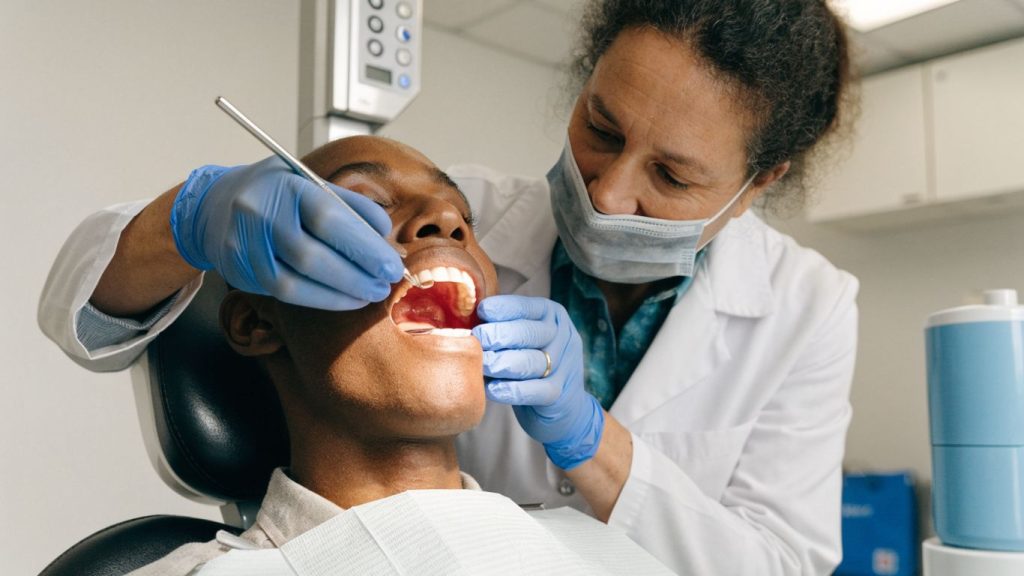
A dental visit can help determine whether your symptoms are related to gum disease and what level of care may be suitable. The dentist will consider your health history and examine your mouth, including the gumline and the areas around your teeth. Treatment depends on what the assessment finds, so there is no single approach that fits everyone.
Professional Cleaning and Deep Cleaning
A professional cleaning removes plaque and hardened deposits that routine brushing cannot fully clear. If the examination finds signs of gum disease below the gumline, your dentist may discuss a deeper cleaning, often called scaling and root planing. Trillium Dental Orleans lists cleanings among its services, and its service information also includes gum surgery; the appropriate care depends on your individual assessment.
The following comparison gives a general sense of how care may differ. It is not a diagnosis or a substitute for a dentist’s recommendation.
| Finding or goal | Possible care discussed | What to keep in mind |
|---|---|---|
| Plaque or deposits along the gumline | Professional cleaning | Your dentist can advise how often to return |
| Early gum inflammation | Cleaning and improved home care | Follow-up helps assess whether inflammation settles |
| Signs of deeper gum involvement | Deep cleaning or other periodontal care | The plan depends on examination findings |
At-Home Care to Support Healthy Gums
Daily care helps manage plaque between dental visits. Brush gently along the gumline with a soft-bristled toothbrush and clean between your teeth with floss or another tool suited to your needs. If brushing causes bleeding, keep the pressure gentle and ask a dentist what might be causing it rather than stopping altogether.
A simple routine can make the steps easier to remember:
- Brush your teeth twice a day with fluoride toothpaste.
- Clean between your teeth once a day using floss or an appropriate interdental cleaner.
- Replace a worn toothbrush or brush head so it can clean effectively.
- Follow your dentist’s advice about mouth rinses or other products.
Preventing Gum Disease After 40
Prevention starts with removing plaque regularly and keeping up with dental visits. Brush gently twice a day and clean between your teeth each day; if you are uncertain about technique, ask a dental professional to demonstrate. Routine appointments can also help identify gum changes that are easy to miss at home.
Keep your dentist informed about health conditions, medication changes, tobacco use, and persistent dry mouth. This information can help them consider your individual risk and make advice more relevant. If you care for an older family member, practical daily brushing and flossing guidance may also help you support a consistent routine.
No single preventive routine eliminates every risk, but small habits repeated over time make a difference to day-to-day plaque control. Pay attention to bleeding, recession, tenderness, and changes in how your teeth feel. If something is new or keeps returning, ask for an assessment instead of waiting for it to resolve on its own.
Conclusion
Gum disease is not an inevitable part of turning 40, but its early signs can be easy to overlook. By noticing changes, keeping up with daily cleaning, and seeking professional advice when symptoms persist, you can take practical steps to support your gums and protect your teeth.
Noticed bleeding, tenderness, or receding gums?
Our Orléans team can check your gums and help you catch problems early, so contact us today to book your visit.
Frequently Asked Questions
Can gum disease start after age 40?
Yes. Gum disease can develop at any age, and risk factors may accumulate over time. Age itself does not determine whether you will develop it.
Are bleeding gums always a sign of gum disease?
No. Bleeding can have different causes, including brushing too forcefully, but recurring bleeding is worth discussing with a dentist.
Can gingivitis be reversed?
Often, yes. With consistent plaque removal and professional care as needed, gingivitis can usually improve. Learn more about whether gum disease can be reversed.
Is periodontitis painful?
Not always. Some people have gum changes with little pain, so routine examinations can help identify concerns that might otherwise go unnoticed.
What does gum recession look like?
The gumline may appear lower than before, making teeth look longer or feel more sensitive. A dental professional can assess the cause and whether treatment is needed.
How often should I have my gums checked?
The right interval depends on your oral health, risk factors, and dental history. Ask your dentist what schedule is appropriate for you.
Can home care alone treat advanced gum disease?
Home care helps control plaque, but advanced gum disease may require professional treatment. A dental examination is needed to determine the appropriate plan.