

What Are Dental Implants and Why Do They Work?
A dental implant replaces the root of a missing tooth. A small titanium post is placed directly into the jawbone, where it fuses with the surrounding bone over the following months in a process called osseointegration. Once that fusion is complete, a custom-made crown is attached on top. The result functions and feels like a natural tooth: it doesn’t shift, doesn’t rely on neighbouring teeth for support, and preserves the jawbone underneath.
That last point matters more than most patients realize. When a tooth is missing, the jawbone underneath it begins to shrink over time because there’s no root stimulating it. Bridges and dentures sit on top of the gum; they don’t stop this process. An implant does, because it functions as a replacement root. Patients who choose implants over other options are also protecting the structure of their jaw for the long term.
Why In-House Implant Surgery Changes Your Experience
When implant surgery is referred out, your care is split between two separate offices, two separate files, and two teams that may not communicate as closely as you’d expect. If a complication comes up, coordination between your general dentist and the specialist adds time and complexity. And when the implant is done, you return to your regular dentist for everything else — someone who wasn’t there for the surgery.
At our Orléans dental clinic, Dr. Fokam performs the implant surgery and remains part of your ongoing care team. There is no referral, no gap between one office and the next, and no need to explain your history twice. The team that placed your implant knows your case in full because they’re the same team.
Patients travel to us from Cumberland, Navan, and Blackburn Hamlet specifically because this level of in-house care isn’t available at every clinic in the area. When the surgical outcome matters, that kind of continuity is worth the drive.
Gums, Bone, and Implants – Why They’re Connected
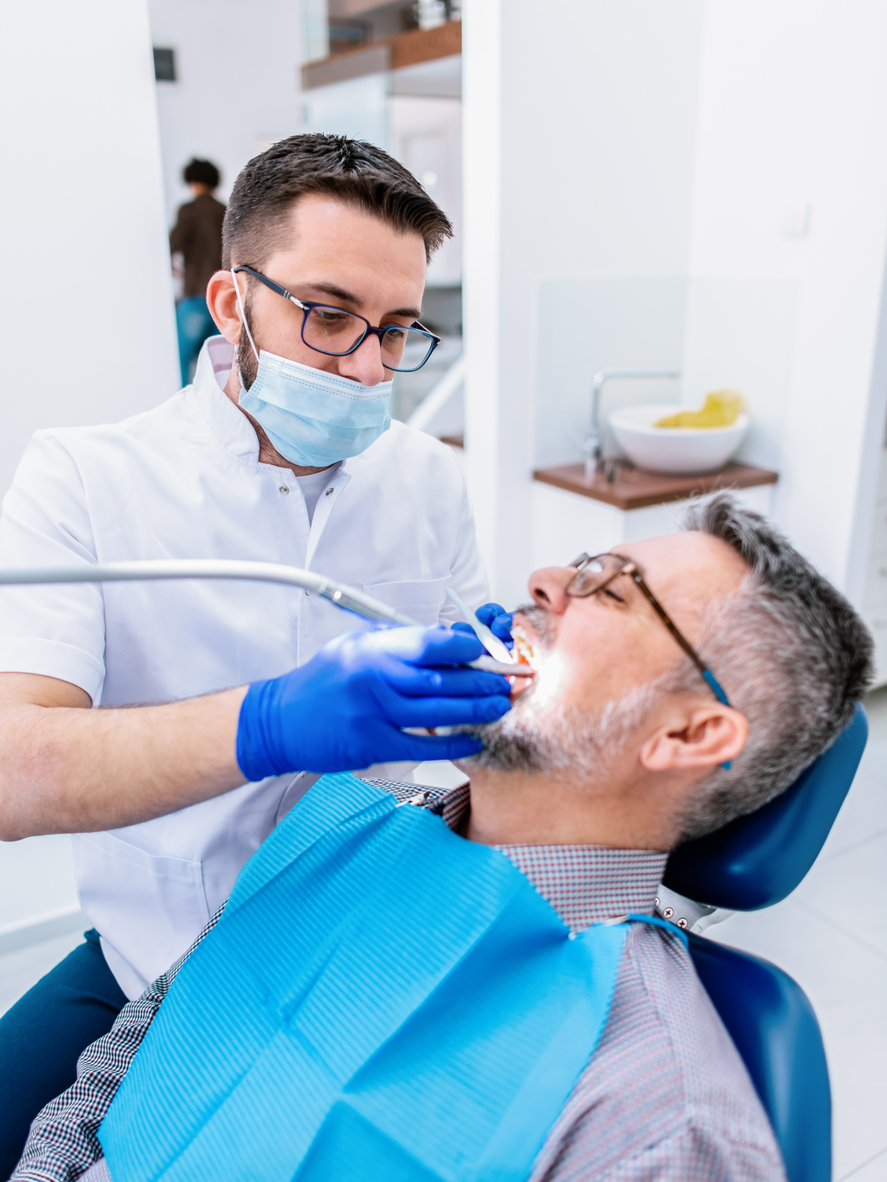
This is the part of implant dentistry that most patients don’t expect to discuss at a consultation, and it’s where Dr. Fokam’s periodontal background makes a direct difference.
Dental implants require enough healthy jawbone to anchor the titanium post. When bone loss has occurred from gum disease, from a tooth that’s been missing a long time, or from other factors, implants may still be possible, but the treatment plan changes. Sometimes a bone graft is needed first. Sometimes gum disease needs to be brought under control before implant surgery can proceed safely.
Dr. Fokam regularly sees patients who come in with gum recession, shifting teeth, or bone loss that developed gradually and quietly without significant pain, often without them realizing the full extent of it. “A lot of patients come to me once they notice more obvious changes,” he says, “like gum recession or teeth that no longer fit together the way they used to. By that point, we may already be dealing with something more advanced.” His goal is always to assess the full picture early, not just the missing tooth, but the bone and gum tissue around it so the implant is built on a foundation that will last.
If gum treatment is needed before implant surgery, that happens here too. Patients don’t have to go elsewhere.
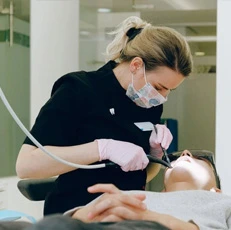

Dr. Freddy Fokam — Implant Specialist in Orléans
Dr. Freddy Fokam, DDS MSc(Perio) FRCD(C)
Dr. Fokam holds a DDS from the University of Lille in France and a Master’s degree in Periodontics from Dalhousie University, where his three-year residency was focused on dental implants and periodontal microsurgeries. He is a Fellow of the Royal College of Dentists of Canada, a credential awarded to specialists who meet the highest standards of postgraduate training in their field.
Before specializing, Dr. Fokam completed a two-year hospital internship in oral surgery and five years of general practice in Quebec. That breadth matters in implant cases: he understands how gum health, bone density, bite function, and restoration all connect. A patient who comes in with bone loss from long-standing gum disease isn’t just an implant case; it’s a full picture Dr. Fokam reads from the start.
What patients notice most about Dr. Fokam is that he explains what he’s seeing before recommending anything. He takes the time to walk through the options, answer questions without rushing, and make sure the treatment plan feels manageable. Some of the most rewarding cases at our Orléans clinic have been patients who came in uncertain whether implants were even possible for them patients who’d been living with a missing tooth or an ill-fitting denture for years, not sure what could realistically be done. The conversation at consultation often changes that picture entirely.
Are You a Candidate for Dental Implants in Orléans?
Most adults in good general health with adequate jawbone density are candidates. The candidacy assessment at consultation looks at several things:
Good indicators:
- One or more missing teeth with surrounding gum and bone in reasonable health
- General health that supports a minor surgical procedure
- Non-smoker or willing to stop around the time of surgery (smoking significantly affects healing)
- Controlled or no diabetes – uncontrolled diabetes can impair osseointegration
May require additional steps first:
- Bone loss – a graft may be needed to build sufficient density before implant placement
- Active gum disease – this is treated and stabilized before surgery proceeds
- Certain medications (blood thinners, bisphosphonates) – disclosed at consultation and factored into the plan
Not qualifying immediately does not mean implants are off the table. It means there’s a step that happens first. Dr. Fokam assesses the full picture at consultation and explains the sequence clearly. Many patients who assumed they didn’t qualify find out they’re better candidates than they thought, often because a step they didn’t know about is manageable.
What the Implant Process Looks Like
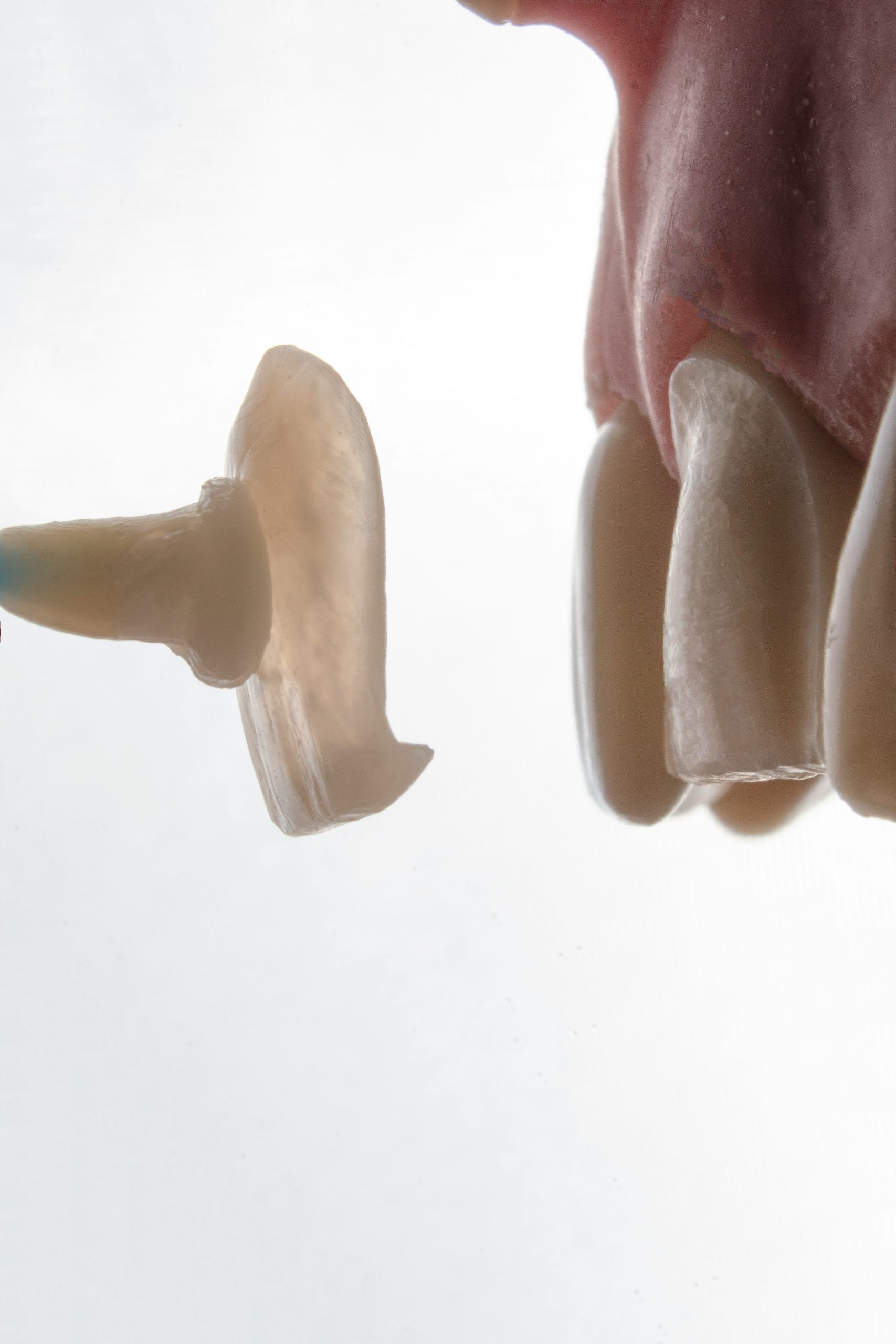
Implant treatment happens in stages, with time built in for healing between them. Here is what to expect at our clinic:

Step 1 — Consultation and Assessment
Dr. Fokam reviews your dental and medical history, examines your gums and bone, and uses digital imaging to plan the implant placement precisely. You leave with a full picture of your candidacy, the treatment sequence, and a cost breakdown. Nothing proceeds until you’re clear on every step.
Step 2 — Implant Placement Surgery
The titanium post is placed into the jawbone under local anaesthetic. Most patients describe the procedure as more manageable than they expected. Post-surgery discomfort is typically controlled with over-the-counter pain relief. You’ll be given specific aftercare instructions before you leave.

Step 3 — Healing and Osseointegration
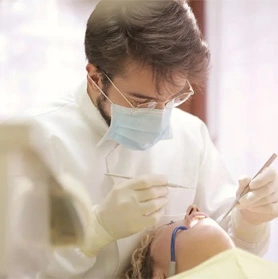
Over the next several months, the jawbone fuses with the implant post; this is osseointegration. Most daily activities can continue normally during this period. Dr. Fokam monitors your healing at scheduled check-ins.
Step 4 — Abutment and Crown Placementown Placement
Once the implant has fully integrated, the abutment (the connector piece) is placed, and your custom crown is attached. The crown is matched to the colour, shape, and size of your surrounding teeth. At this point, the implant functions identically to a natural tooth.

Implants, Bridges, or Dentures – Understanding the Difference
Each option replaces missing teeth differently. The right one depends on how many teeth are missing, the condition of your surrounding teeth and bone, your budget, and your long-term goals.
Dental implants sit inside the jawbone. They function independently, don’t affect neighbouring teeth, and preserve bone. They’re the most durable option; the post itself can last decades with routine care. The upfront cost is higher than a bridge or denture, but many patients find the long-term value more significant once they factor in replacements, adjustments, and bone-related complications over time.
Bridges span a gap by anchoring to the healthy teeth on either side. This requires those healthy teeth to be prepared (filed down), which permanently alters them. Bridges don’t address bone loss underneath the gap.
Dentures are removable and don’t require surgery, which makes them an option when implants aren’t possible. They can shift during eating and speaking, and bone loss under the gum continues. Implant-supported dentures (dentures anchored to implants) address the stability and bone issues while keeping the removable format.
Dr. Fokam goes through these options at consultation. There is no single best answer; the right choice is the one that fits your specific case, your health, and what you’re trying to achieve.

Frequently Asked Questions
We answer the most common questions our patients ask before booking their consultation.
Testimonials

Edit : I went again today to finish my extractions. Again, the staff they are ALL amazing. Dr Aguilar is so wonderful. We all had a good laugh because of my 5 years old saying “For real?” when he ask if all of my teeth were gone.

Looking forward to go back.





Dental hygienist was incredible, compassionate and very gentle. My anxiety stayed in tack. Dentist was gentle and lovely

11/10 would recommend!

Book a Dental Implant Consultation in Orléans
Missing a tooth changes more than your smile; it affects how you bite, how you speak, and the structure of your jaw over time. The consultation is where you find out exactly what’s possible for your case. Dr. Fokam provides a full assessment, a clear timeline, and a cost breakdown before any treatment begins.