
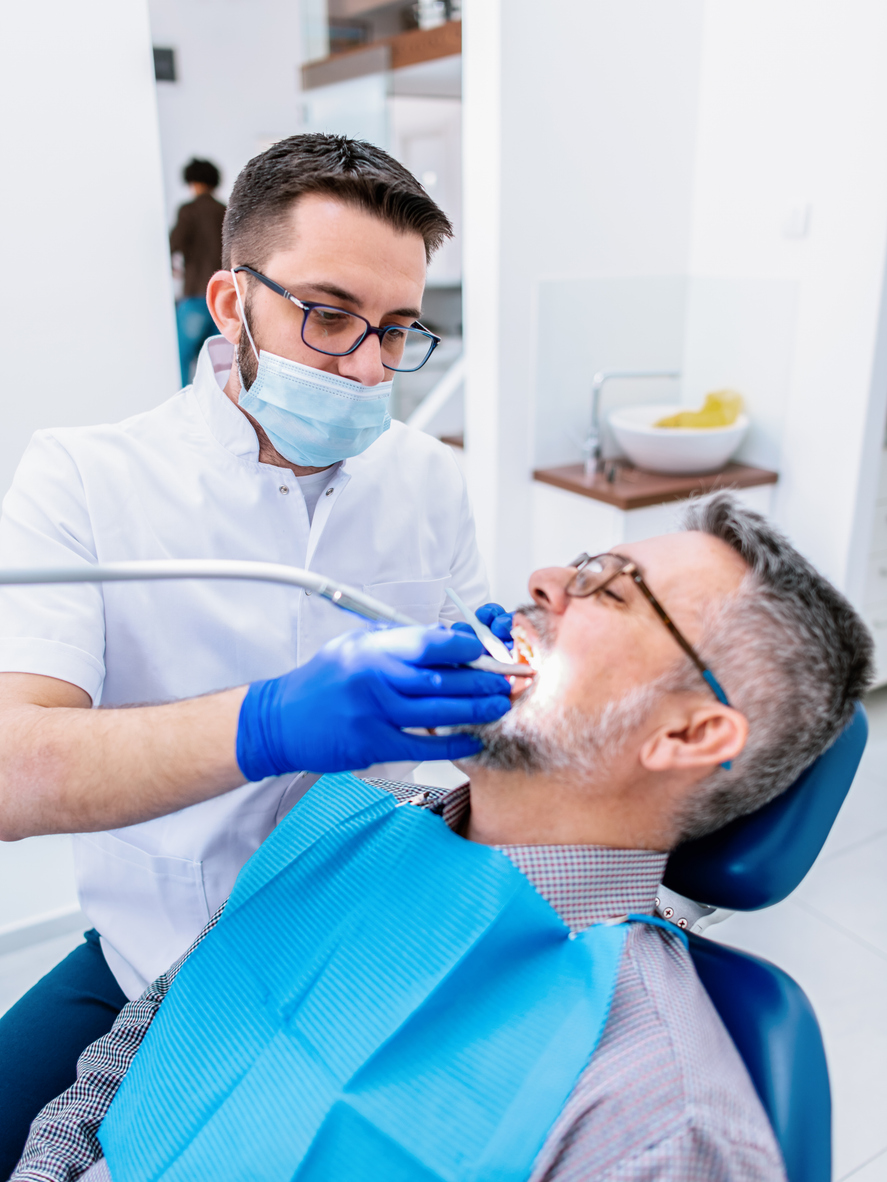
What Is a Tooth Extraction?
When Removing a Tooth Becomes Necessary
A tooth extraction becomes the right choice when decay or fracture has destroyed too much structure to save with a crown or filling, when infection has spread beyond what a root canal can resolve, when a tooth is severely impacted, or when overcrowding requires removal to support orthodontic treatment.
Common Signs You May Need a Tooth Extraction
Pain that will not go away despite treatment is usually the first warning sign. Damage hiding below the gumline, teeth that have grown noticeably loose from gum disease, infections that keep coming back, or a wisdom tooth pressing painfully against other teeth can all signal that removal is the necessary next step.
Protecting Your Long–Term Oral Health
Extracting the tooth addresses the immediate problem, but treatment does not stop there. We discuss implants or bridges as next steps, so the gap does not affect neighboring teeth or your bite down the road.
Reasons Patients Need a Tooth Extraction in Kanata
Severe decay is the most common reason, followed by advanced gum disease, trauma from an accident or injury, infection that has reached the root, and wisdom teeth that never had room to come in properly.
At our Kanata dental clinic, we always look for alternatives before suggesting removal. When extraction is the right decision, we explain why and outline what comes next.

Symptoms That May Indicate a Tooth Needs Removal
These are the signs we see most often in patients who need a tooth removed.

Persistent Tooth Sensitivity
Ongoing Dental Pain and Swelling


Bad Breath Caused by Infection
Difficulty Chewing or Biting
Pain when chewing that limits which side of your mouth you can use comfortably often points to significant structural damage or infection. Avoiding it typically makes the problem worse.

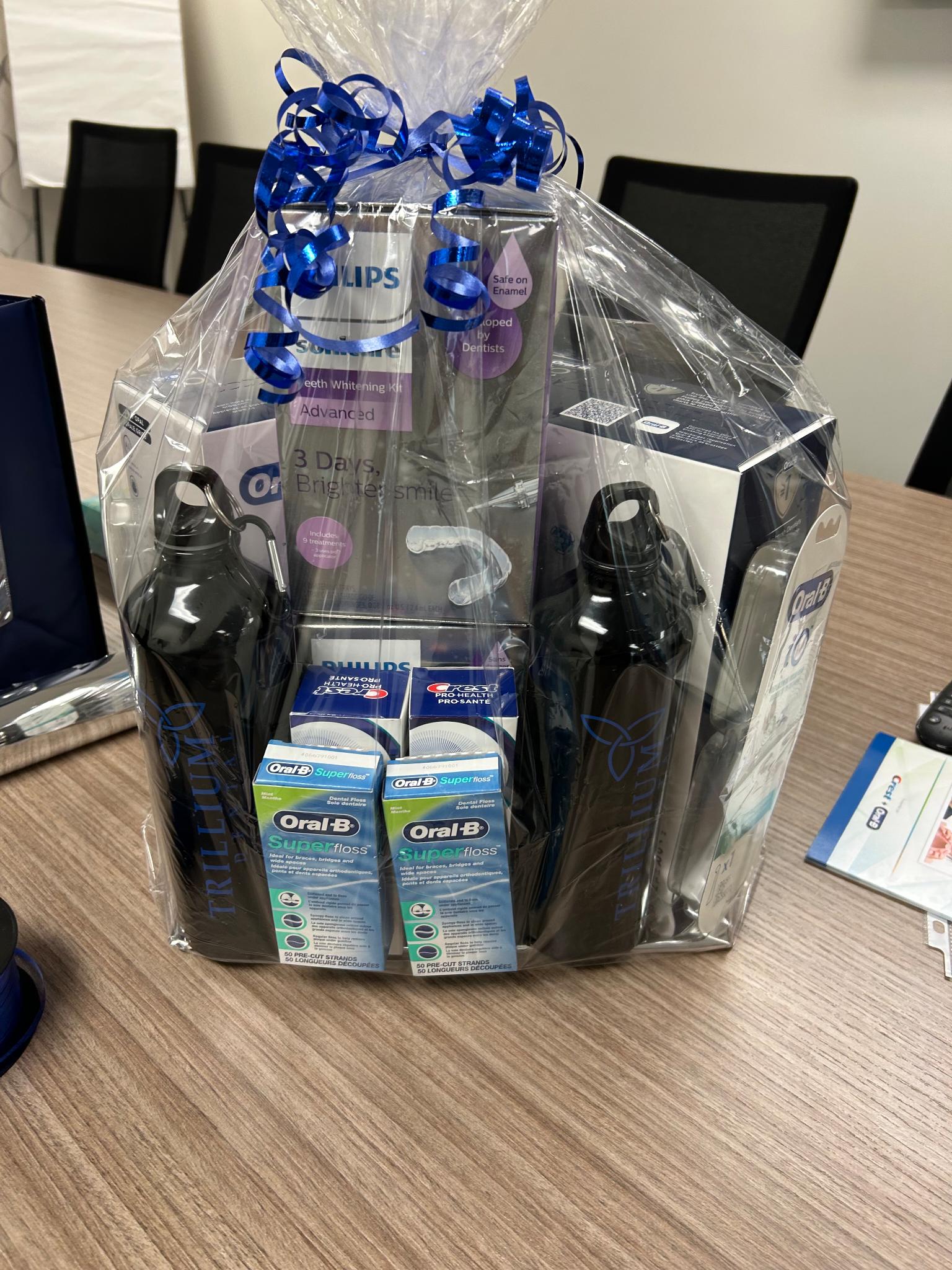
Types of Tooth Extraction Procedures We Offer in Kanata
Simple Tooth Extractions
A simple tooth extraction is performed on fully erupted teeth visible above the gumline. Under local anesthetic, the tooth is loosened with an elevator and removed with forceps. Most Kanata patients recover comfortably within a few days.
Surgical Tooth Extractions
When a tooth is broken at the gumline or has curved roots, a surgical dental extraction is needed. This involves a small gum incision to access the tooth and, when necessary, sectioning it before removal.
Wisdom Tooth Removal
Impacted wisdom teeth are common at our Kanata clinic, more than in almost any other case we treat. A tooth that never fully erupts tends to press against its neighbors and trigger infections that keep recurring. Pulling it sooner rather than later usually means an easier recovery, too.
Surgical Tooth Extractions
When a tooth is broken at the gumline or has curved roots, a surgical dental extraction is needed. This involves a small gum incision to access the tooth and, when necessary, sectioning it before removal.
Wisdom Tooth Removal
Impacted wisdom teeth are among the most common cases we see at our Kanata clinic. When they don’t fully erupt, they crowd neighboring teeth and cause recurring infections. Early removal leads to a faster, smoother recovery.
What to Expect During a Tooth Extraction Appointment
Initial Examination and Diagnosis
We take X-rays to assess the roots and the bone around them. From there, we know which approach fits your case and can plan out the procedure with some precision before ever picking up an instrument.
Preparing for the Procedure
Your medical history and current medications are reviewed, the area gets fully numbed with local anesthetic, and we check in to make sure you are comfortable before starting anything. For patients who feel anxious about it, sedation options are also available.
The Extraction Process
Pressure is normal during a simple extraction. But pain is not, and most patients notice the difference right away as the tooth loosens and comes out. Surgical cases work a bit differently, accessing the gum carefully and removing the tooth as efficiently as the case allows. Stitches go in if the site needs them, and the whole process is usually over faster than people expect.

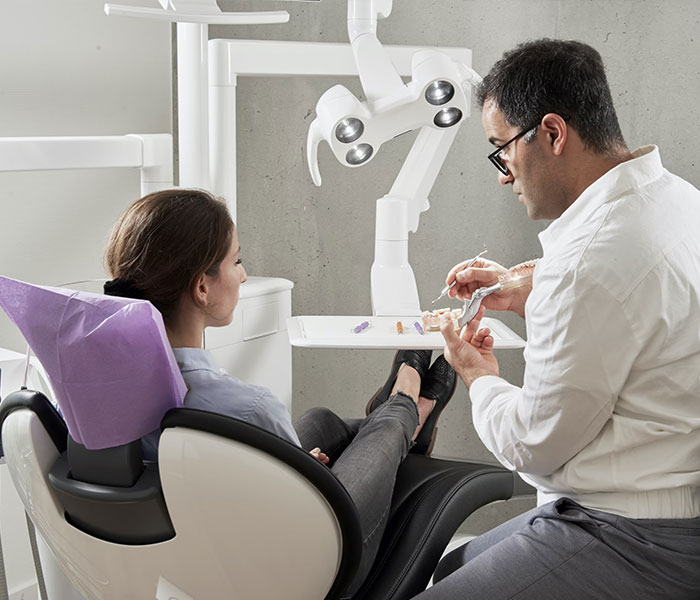
Maintaining Oral Hygiene After a Tooth Extraction
Sticking to soft foods, staying hydrated, and avoiding smoking all cut down the risk of dry socket while you heal. Written aftercare instructions go home with every patient, so nothing is left to memory once you walk out the door.
Why Choose Trillium Dental for Tooth Extraction in Kanata?
At Trillium Dental, we take a personalized approach to tooth extraction treatment. We start by looking at your oral health, then talk through the treatment that makes the most sense for you
We want your dental care to be as comfortable as possible. From your consultation to aftercare, our team will answer your questions and guide you through what to expect during each step of treatment.

Tooth Extraction in Kanata | FAQ
Testimonials


However, our most recent experience was very concerning, and I want to share it so that others are aware and can make informed decisions. Our regular dentist at this clinic was on maternity leave, so last fall my 15-year-old daughter went for her routine cleaning and exam with another doctor at this clinic. Dr. Harsimrat Birgi saw her. At that time, we were told that everything looked fine and no treatment was needed — just regular monitoring.
Six months later, on May 25,2026 we returned for another routine cleaning. Since our regular dentist was still away, my daughter was again seen by Dr. Harsimrat Birgi.
Mainly based on the X-rays, the doctor started listing tooth after tooth that supposedly needed treatment. After only a very brief look in my daughter’s mouth, we were presented with a treatment plan for 12 teeth with an estimate of over $3,500. We were told the treatment should be started as soon as possible and encouraged to book appointments.
We were extremely surprised that such extensive treatment would suddenly be needed after only six months, especially since the same doctor had examined her just six month earlier and told us that everything looked fine and only needed monitoring. Because of this, we decided to get a second opinion from another dentist at a different clinic.
The second dentist recommended treatment for only 2 teeth. Regarding a third tooth, we were told the issue was very minor and could simply be monitored for now. All other teeth, according to the second opinion, did not require treatment.
I’m sharing our experience to encourage people to be very careful and always seek a second opinion when faced with extensive dental treatment plans and significant costs. If you are seeing this doctor Dr.Harsimrat Birgi, I strongly recommend getting another opinion before proceeding with major dental work.




Will submit your insurance paperwork for you, you still pay the full price at the office.

It’s been a number of years since I’ve been to a dentist and the nerves I had were quickly calmed and handled with such gentle reassurance .
I’d HIGHLY recommend anyone to this clinic. In a heartbeat.
Book Your Tooth Extraction Appointment in Kanata Today
Book your appointment at Trillium Dental today.